OPEN CALL | PROJET BETULA
Screening series: Deafening Silence
September 16, 2026 | Césure, Paris
Theme: Silence, Power, and Survival
Submission Period: July 15 — August 10, 2026
DEAFENING SILENCE
Projet Betula announces an Open Call for Deafening Silence, the second chapter in a screening cycle that began with Speak Volumes in September 2025. While the first chapter considered the persistence of voices within haunted landscapes, family archives, and spectral bodies, the current chapter shifts attention to what remains unsaid or unspoken.
We invite artists and filmmakers working with experimental film, video, and moving-image forms, whose work engages with silence as a condition shaped by power, catastrophe, refusal, or survival.
We are interested in three interconnected forms of deafening silence:
1. Enforced Silence
Silence imposed through force: colonial or state violence, displacement, imprisonment, border controls, economic deprivation, or bureaucratic erasure. It happens when people are denied the chance to speak, talk about what they have lived through, and be recognised.
2. After the Explosion
The silence that follows a catastrophe: war, forced migration, environmental destruction, the collapse of infrastructure, or the breakdown of a familiar social world. It can be felt as shock, exhaustion, disorientation, or the sense that language is no longer enough to describe what happened.
3. Silence as Survival
This form of silence is connected to the right not to be fully understood, explained, or exposed to others. Silence can protect personal boundaries and keep parts of one’s experience private. It can also be a deliberate choice not to speak — a form of protection and a strategy for survival.
One filmmaker or collective may submit up to two films. Each film must
be submitted via a separate Google Form.If the film is submitted by a collective, it must be done by one of the members,
with a note on the collaborative nature of the work.Films must not exceed 30 minutes in duration.
Films with dialogue should include subtitles in English or French.
We accept submissions via YouTube, Vimeo, or similar platforms. Links must be
publicly accessible, or a password must be provided.Works must be at least Full HD (1920×1080) with H.264 codec.
Films completed before September 2024 will not be considered.
Multi-channel video works will not be accepted, as screenings will take place
in a standard cinema format.We accept previously screened works. Premiere status is not required.
Due to our independent, non-profit status, we are unable to pay screening fees.
Terms & Conditions
Applications must be submitted by completing the Entry Form
All submissions must be received by August 10, 2026, at 11:59 p.m. Paris time (UTC+2)
There is no application fee
For additional questions, please contact: projetbetula@gmail.com
How to submit?
Timeline
Submission period:
July 15 — August 10, 2026Announcing open call results:
August 24, 2026Event date:
September 16, 2026

Projet Betula
Projet Betula is an independent, non-profit platform supporting international contemporary art with a focus on migration, nomadism, and resilience. We provide space for artists uprooted by war, displacement, or forced relocation to share their stories and engage in global conversations.
Through exhibitions, screenings, performances, and educational initiatives, we aim to create environments for reflection, creation, and dialogue — highlighting both the struggles and strength of those adapting to new, often hostile conditions, and amplifying voices shaped by displacement and migration.
Césure, Paris
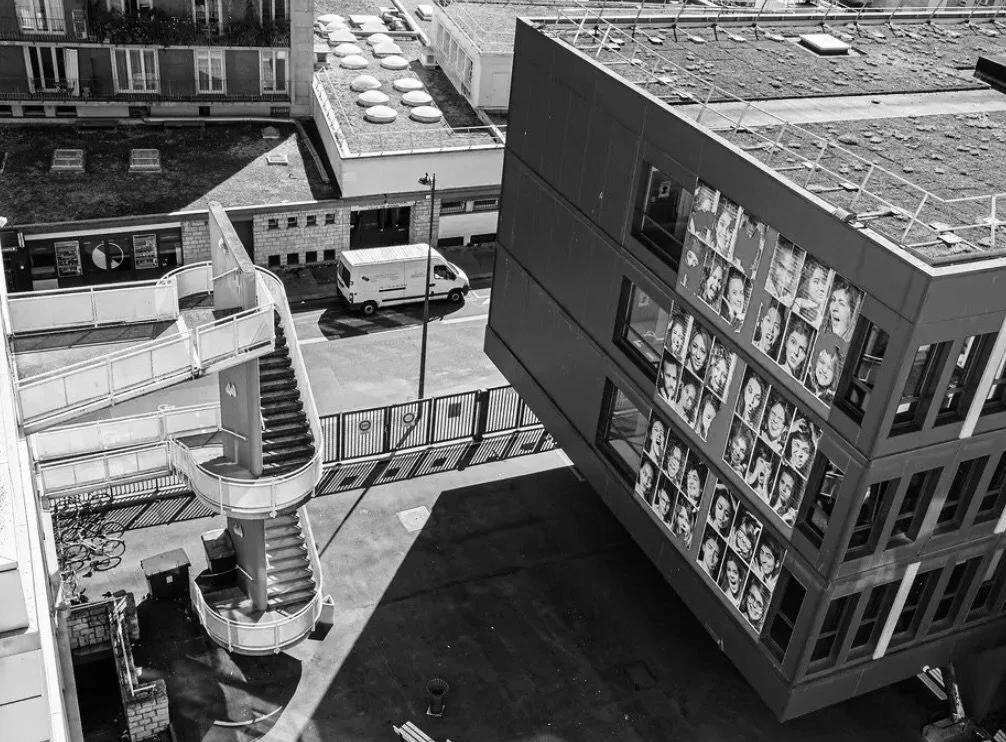
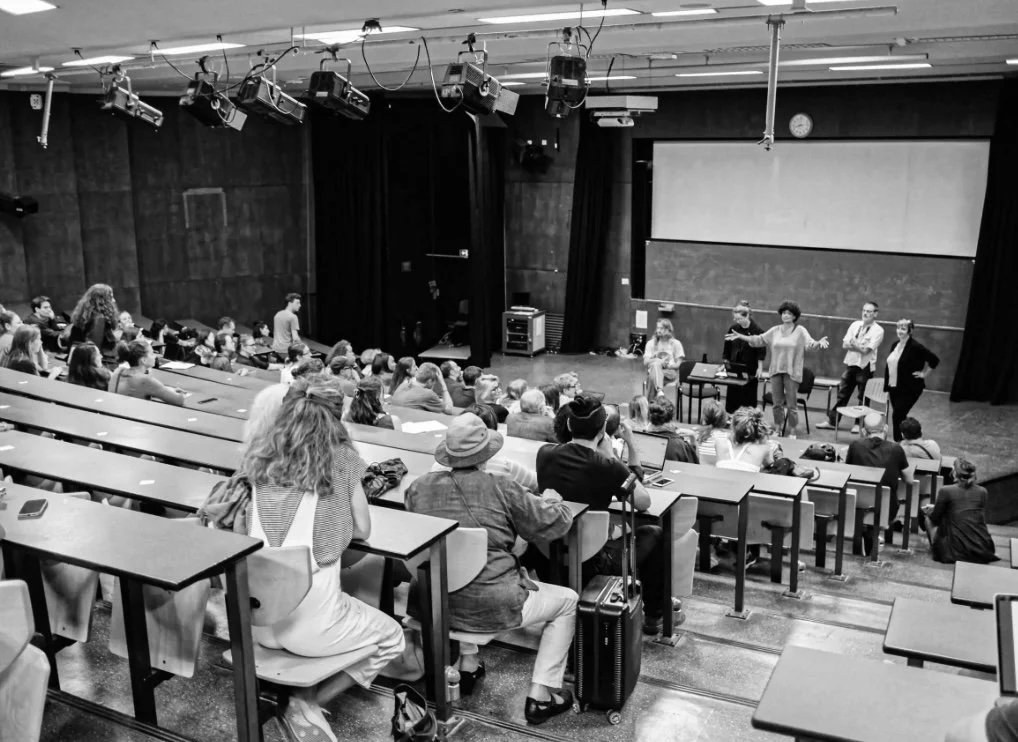
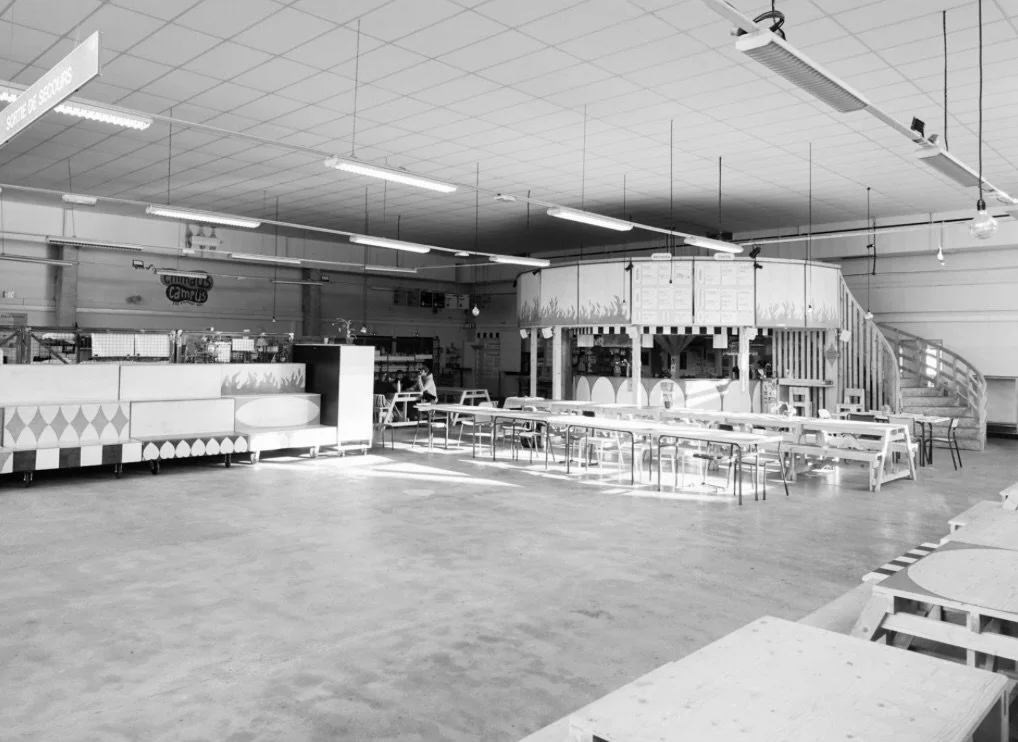
Césure is a multidisciplinary cultural and community space located on the former Censier campus of Sorbonne Nouvelle University in Paris. Developed as a temporary urban project, it brings together artists, cultural organisations, social initiatives, students, and independent professionals within a shared environment dedicated to knowledge exchange, experimentation, and collective learning.
Through exhibitions, performances, concerts, workshops, conferences, and public programmes, Césure creates space for artistic production, dialogue, and new forms of collaboration. Its classrooms, libraries, courtyards, and communal areas have been transformed into studios, offices, exhibition spaces, and meeting places — making the former university campus an open and evolving site for culture, education, and social engagement.