EXHIBITION MANIFESTO
The title of the exhibition Listening Eyes was inspired by a dream about a conversation between a mole and a fish. The mole cannot see, and the fish has no voice — each lacks what the other possesses. Their meeting embodies the idea that perception is connected not to completeness, but to the chance of mutual support. Listening and seeing work together as interrelated ways of relating to the world. The exhibition uses this image to think of perception as something shared, partial, and constructed through interaction.
Listening Eyes is conceived as a digital environment in which sound, text, and moving image (co)exist without merging into a single form, and operate through horizontal resonances rather than a fixed structure, with thematic groups serving as points of orientation rather than final interpretations. In such a space, perception becomes a fluid phenomenon, and distance can create a new kind of closeness and intimacy.
Drawing on the philosophy of Maurice Merleau-Ponty, the project understands perception as something that happens through our body, where the body is understood as a “point of view on the world”. The screen creates a separation between us and what is perceived, but this separation does not mean the loss of perception through physical and sensory involvement.
As viewers, we always remain bodily situated — listening, watching, feeling, and sensing — even if we do not consciously reflect on it. This “distance,” on the contrary, becomes a condition of our (inter)relations. We may be affected by a flicker of light, a pulse of sound, or even a brief delay. All of these small / accidental actions encourage slower, more attentive engagement.
Within this structure, we, as viewers, become active agents who form our own experience by following the map and making choices. We choose the order of viewing, whether to return to a work, pause, rewind, mute or activate sound, read or ignore text. The work unfolds differently depending on these decisions. In many cases, without such participation, the work does not fully come into being. The viewer participates in the artwork's realisation.
These are curatorial propositions that each visitor may follow, challenge, or reconfigure.
LISTENING EYES
LISTENING EYES



We are used to reading the suggestion of interactivity as an invitation to control a system (even if only partially). And we freeze when that invitation deceives us. It prompts us to act, even creates an expectation of response, may register our presence, and then mocks that expectation by taking away our ability to affect what is happening.
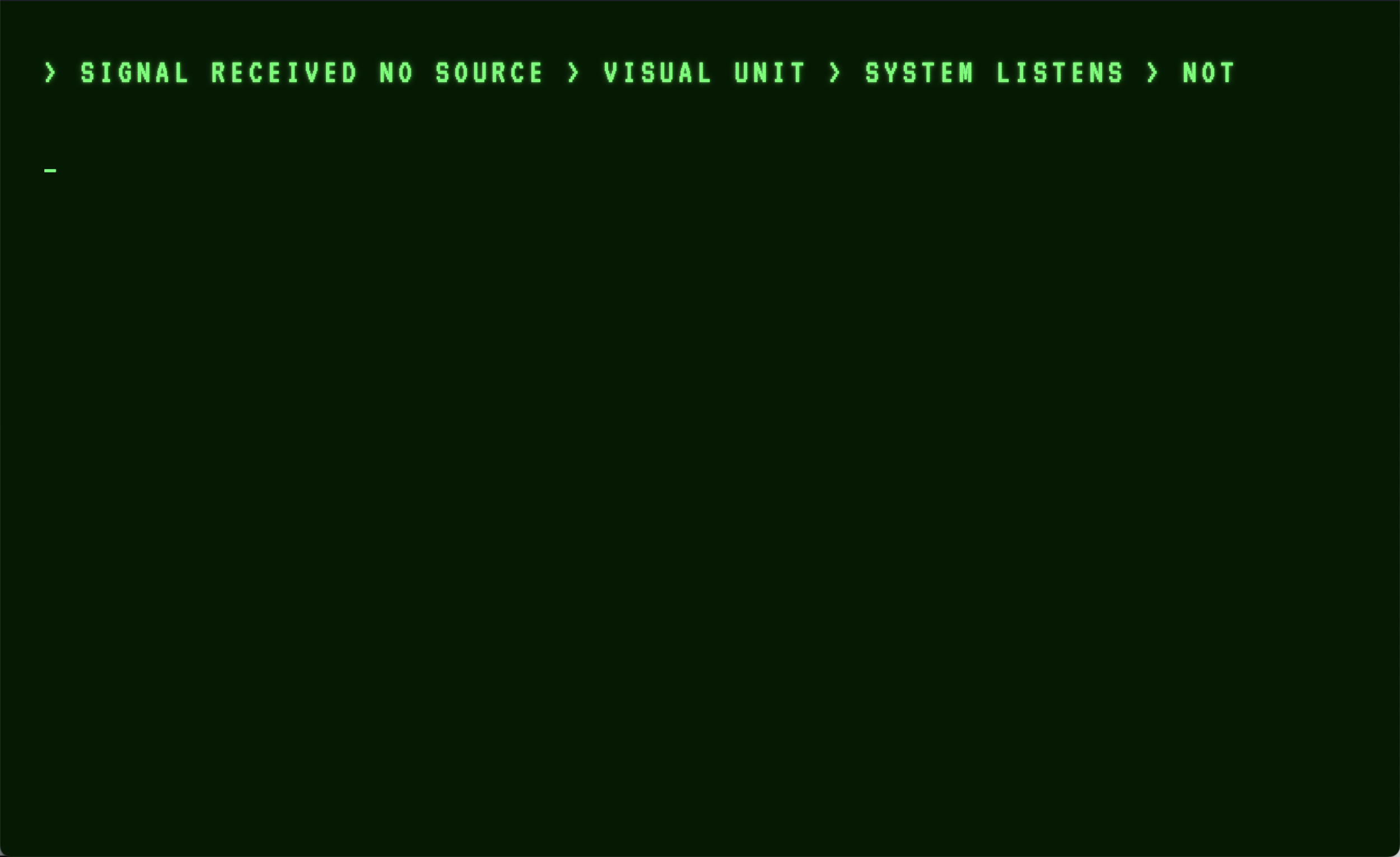
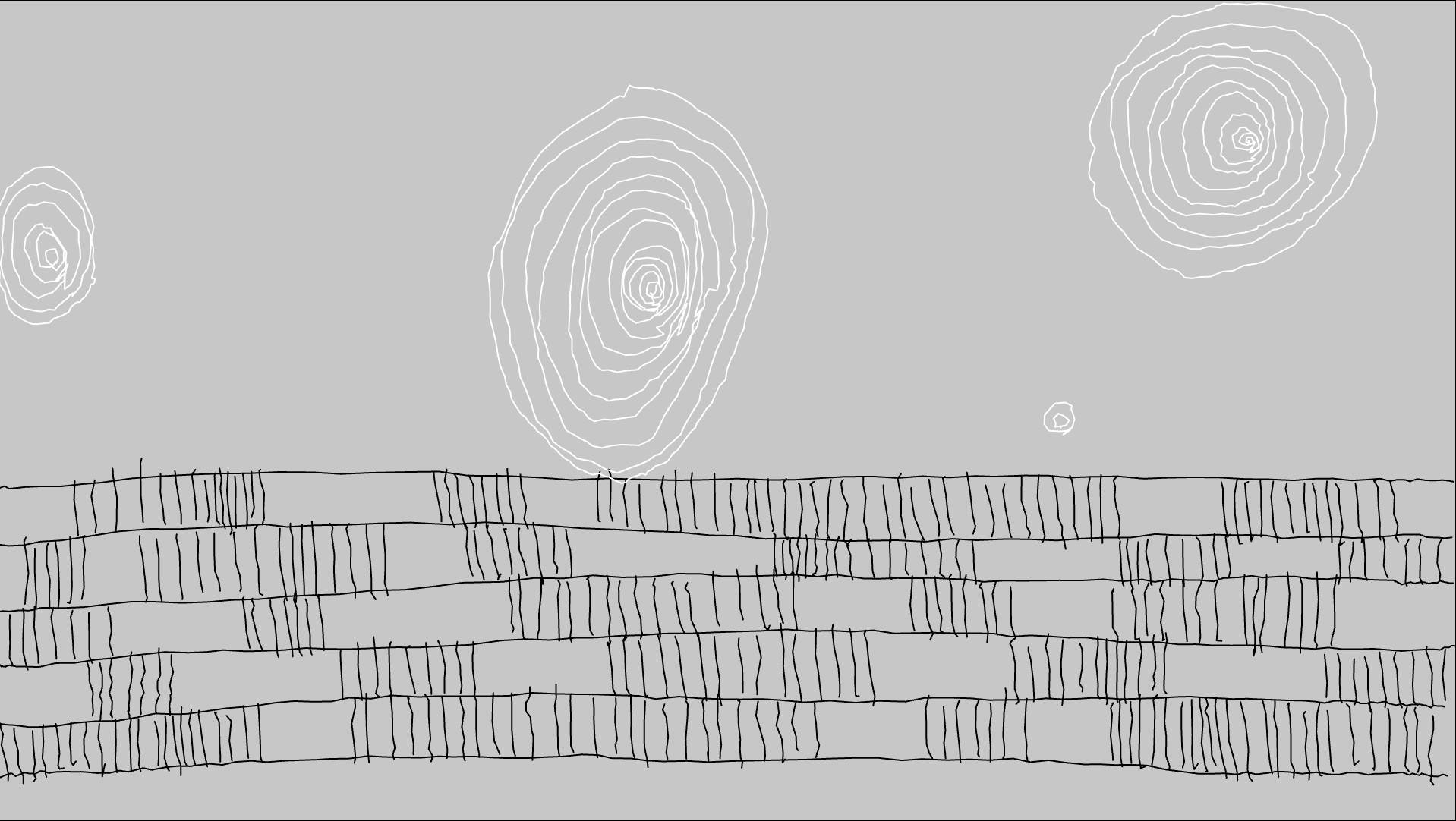
What emerges is an experience of digital (anti-)intimacy. The system is always "on": it listens, records ("Listening Unit"), observes, counts time ("Silent Waiting"), repeats formulas of care ("i'm here if you need anything"), translates images into data ("Flag: After Jasper Johns"). But the response either does not come, or comes in the form of an automated reply that cannot be reduced to "dialogue." In this neutralisation of our expectations by the interface, we may experience frustration in different degrees: from a quiet feeling of inner emptiness to an outward bodily tension. Through the "promise" of freedom, we are shown our inequality within these systems.
This section examines the act of seeing as a process shaped by devices, distance, and different levels of attention. Observation moves from the social to the technical, and ultimately to the embodied.
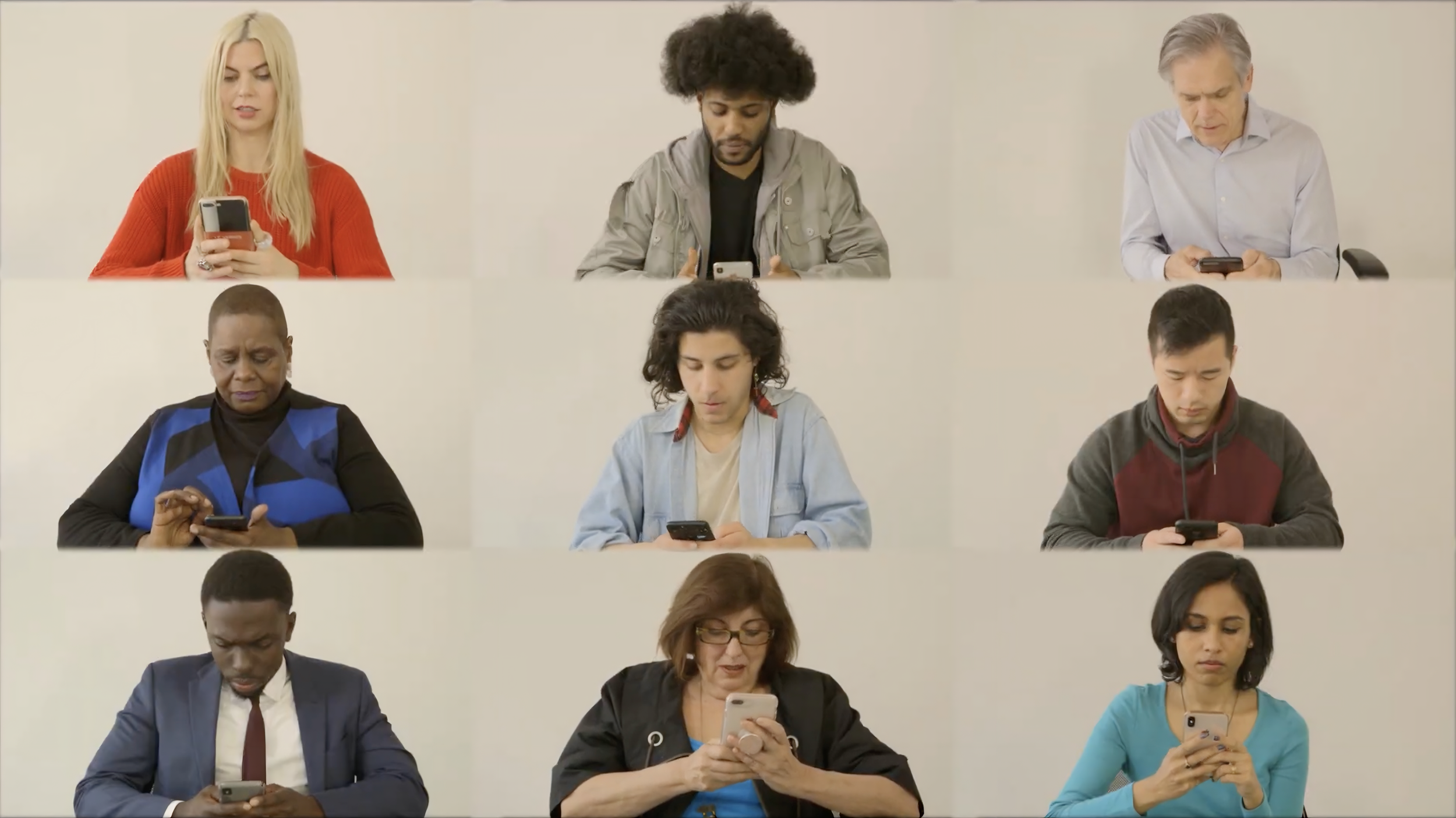
In "Commune", nine isolated figures form a dispersed collective. Filmed separately and still similar in their posture, they look down at their phones and silently address the viewer. The work evokes a digital panopticon: everyone appears connected, while each remains enclosed within a private screen.
"Generation" extends this structure of surveillance into sound. Surveillance cameras become both instruments and performers. The flow of people turns into a graphic score, translating movement into acoustic data. Listening replaces looking, but the logic of monitoring still remains.
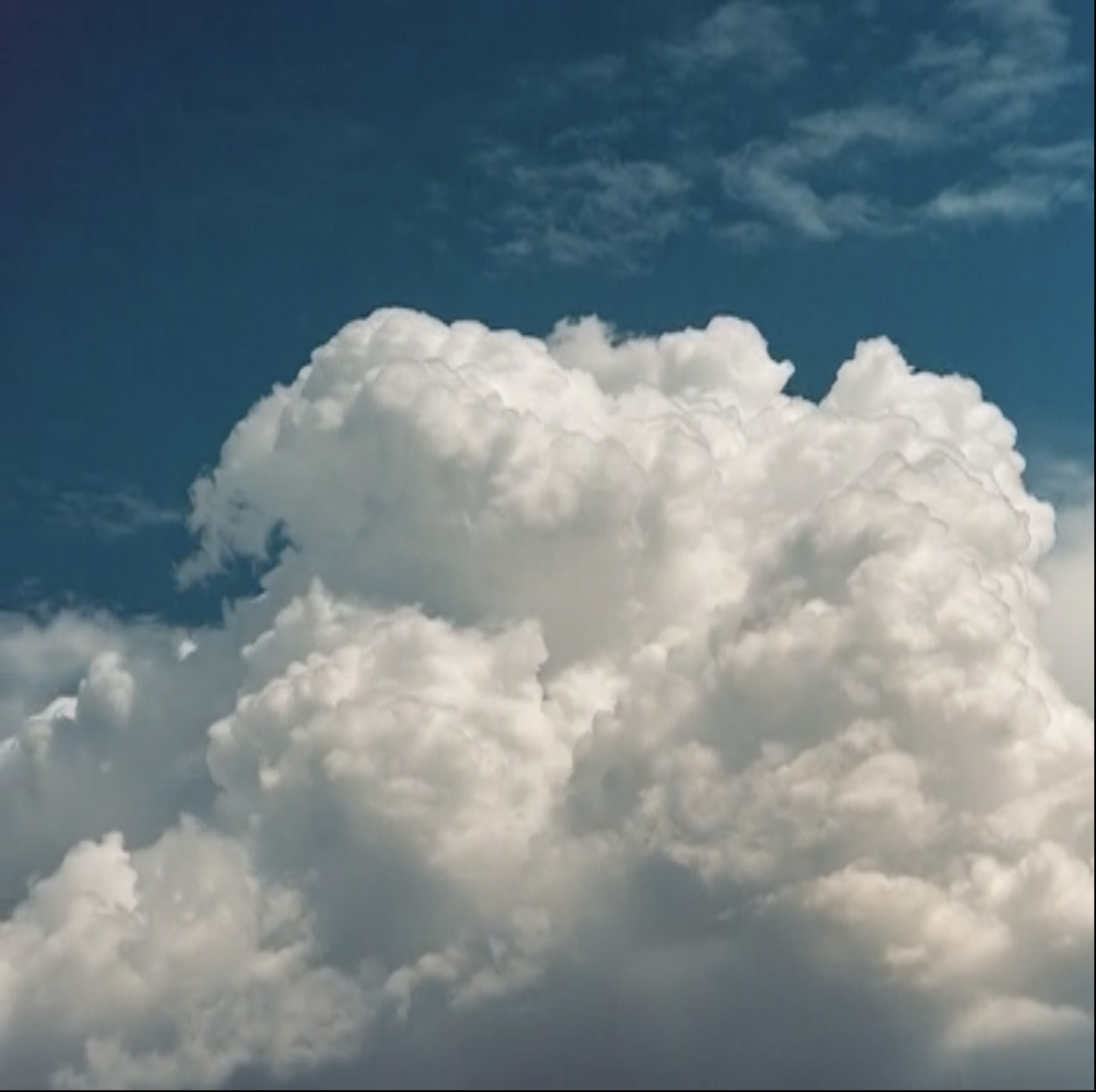
In "REM sleep", the object of observation becomes the viewer. A generative sequence of images and sounds produces a film that exists only if the viewer blinks. The work creates an illusion of control which is similar to the corporate systems such as Amazon that track eye movement and attention online, turning perception into data.
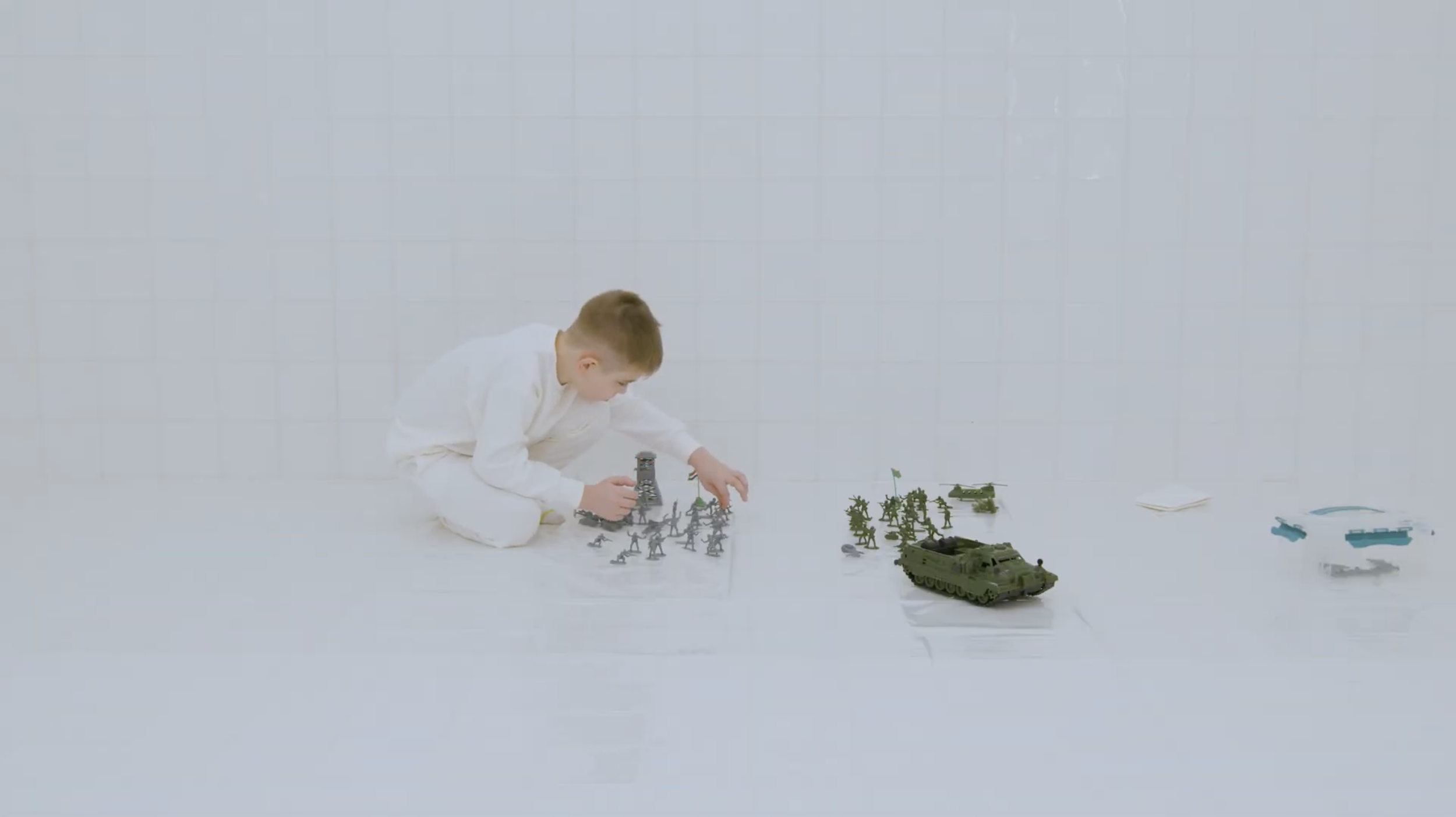
"playground" focuses on the threshold where the gaze detects disturbance. A child's game gradually reveals unease, testing when repetition turns into discomfort. The work questions how normalized images shape our tolerance to violence and at what point the eye resists.
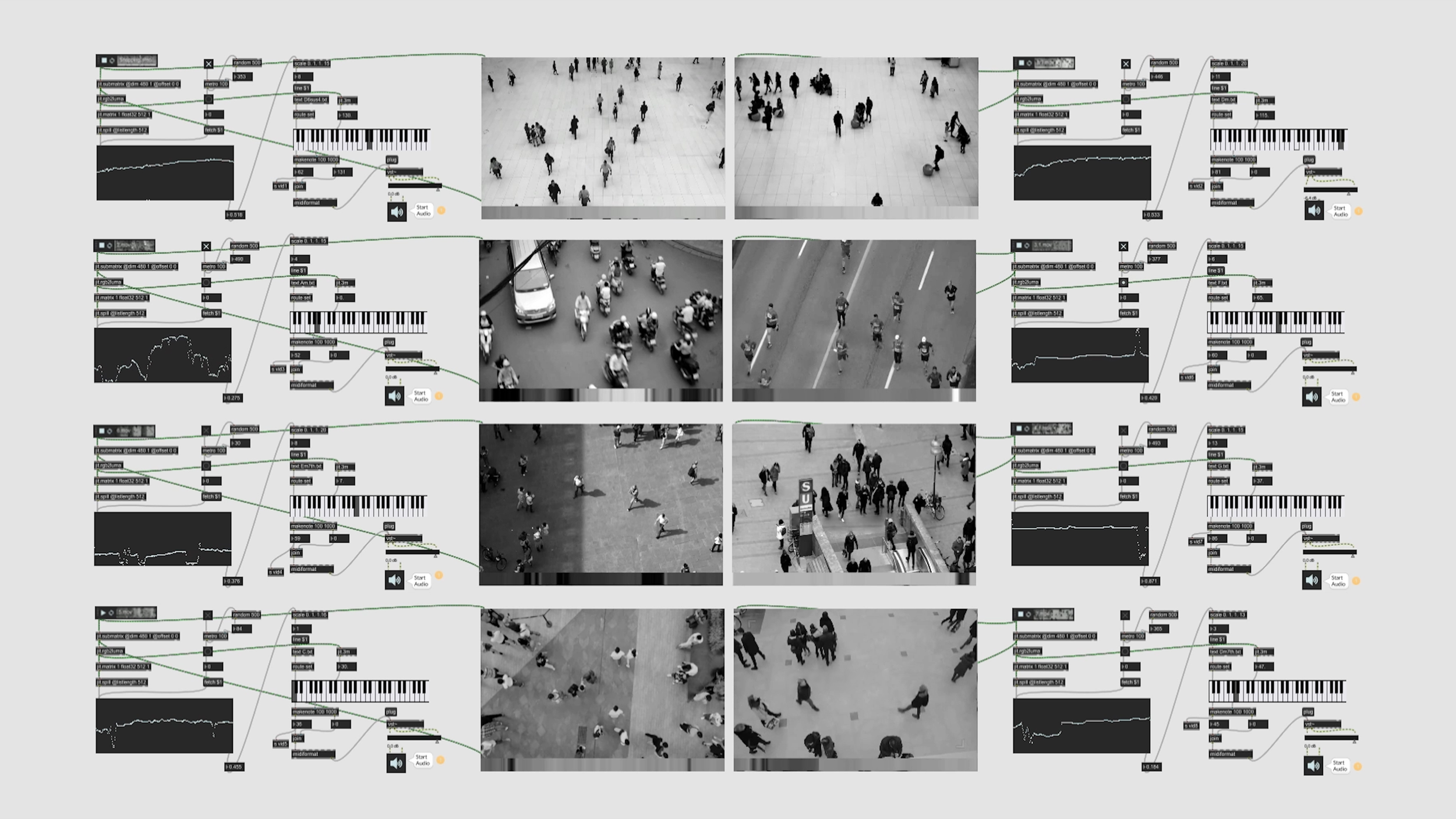

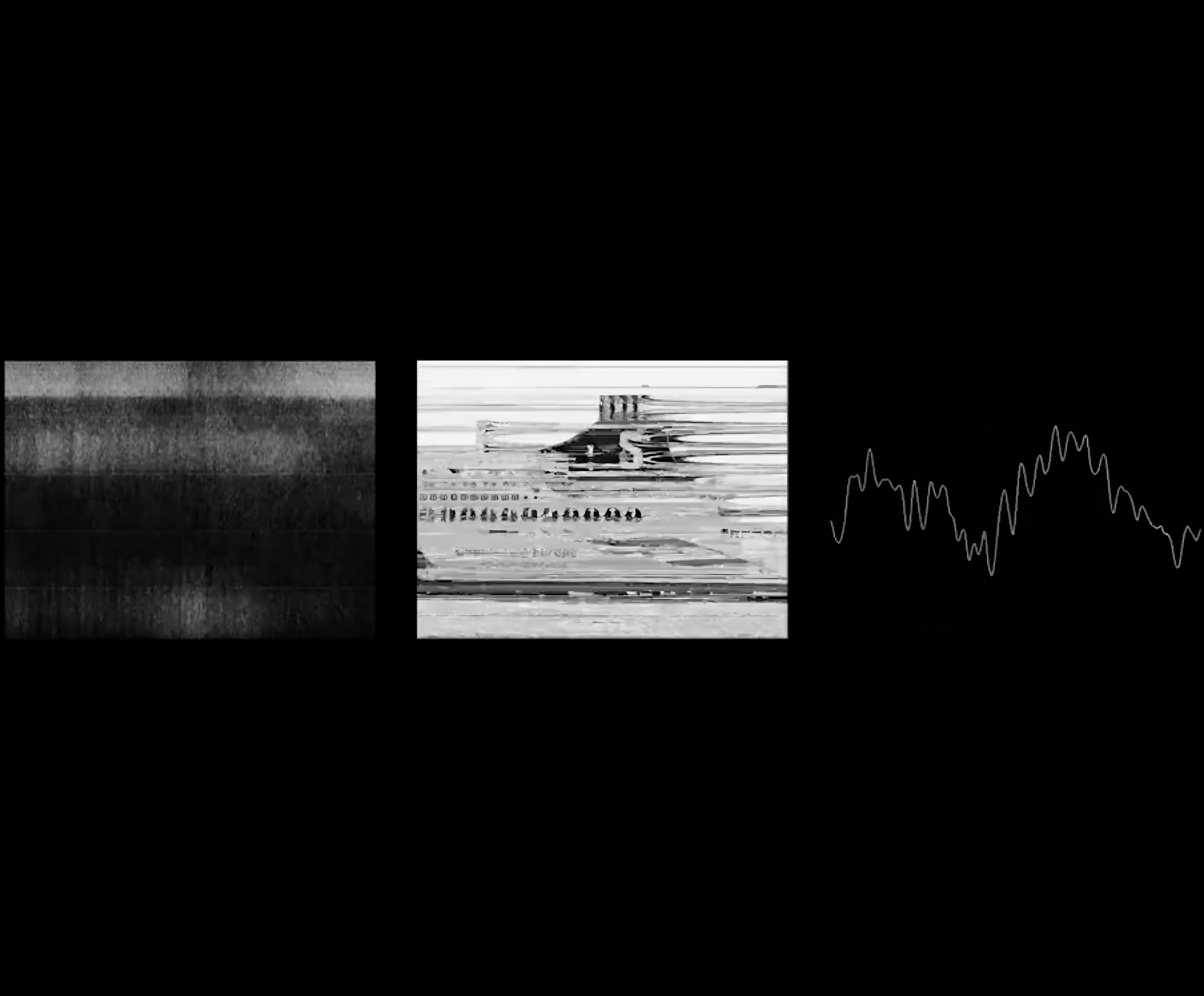
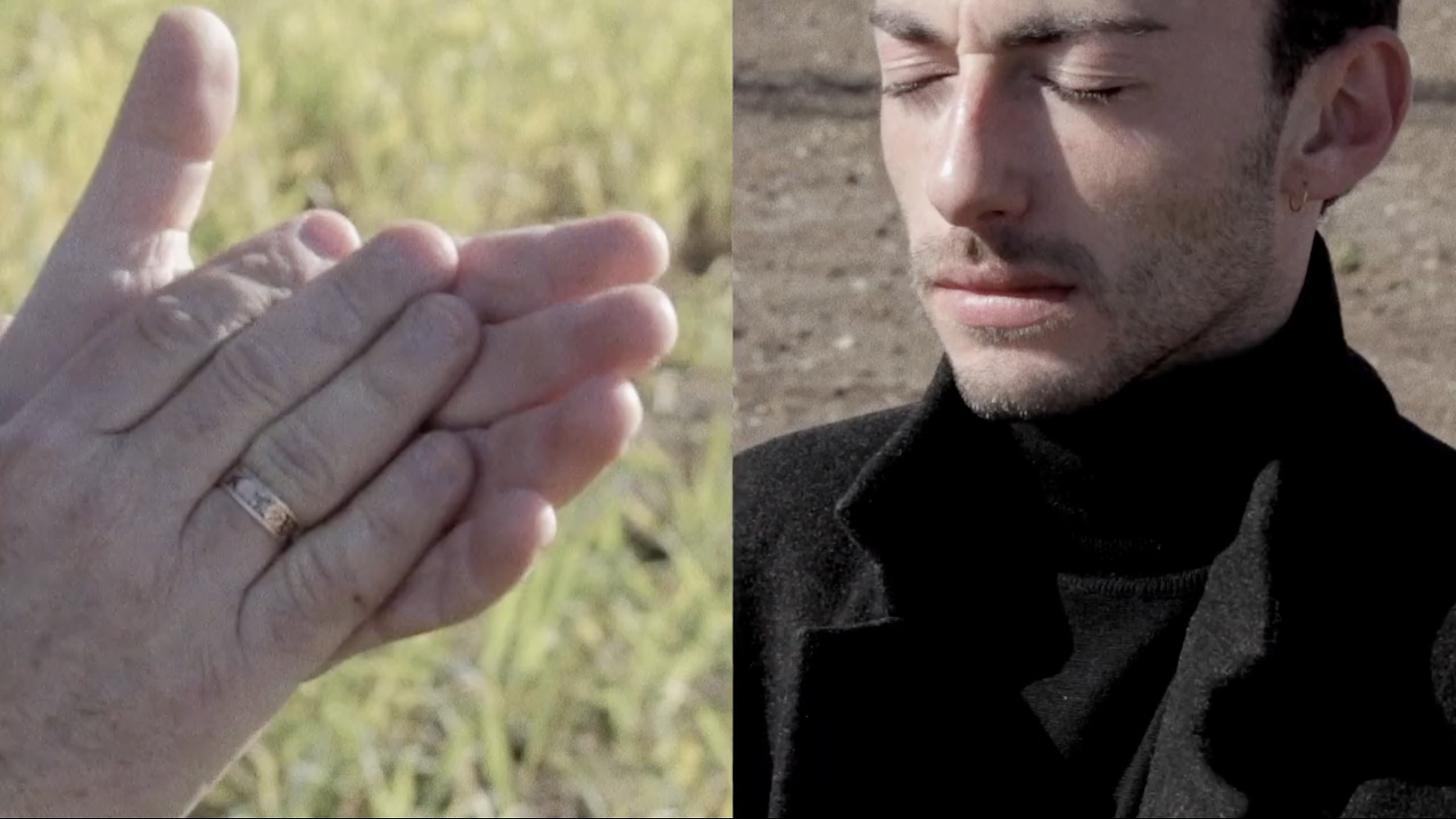
In the Western tradition, vision has long been considered (and is still considered) the primary mode of knowledge, and it is precisely this mode that has come under sustained criticism in recent years. Sound becomes no less important than image, and not so much supplementary as equally a primary mode of access to what is difficult to hold in time and, at the same time, difficult to divide into separate parts. Fabio Meinardi and Inam Zimbalista do not subordinate sound to the visual; they reveal the limits of translatability between the two and the necessity of such a move.
In "if I can't hear you, I can't see you.", sound unfolds on two levels. On the one hand, the echolocation of marine mammals appears as a self-sufficient language of orientation and communication, in which human intervention in the form of "underwater noise" can blind that world. On the other hand, sound in the work registers the limits of human perception and quite literally compels us to look at sound as a way of approaching an unfamiliar acoustic experience.
"Circle | Clapping music" stages the coexistence of these modes through the theme of intimacy at a distance. Sound here is radically simple and "hand-made" — clapping. Divergence and return in rhythm are visualised across musical lines, physical bodies, and a symbolic familial bond. At the same time, we can hear this composition with our eyes, reproducing the claps as if reading lips.
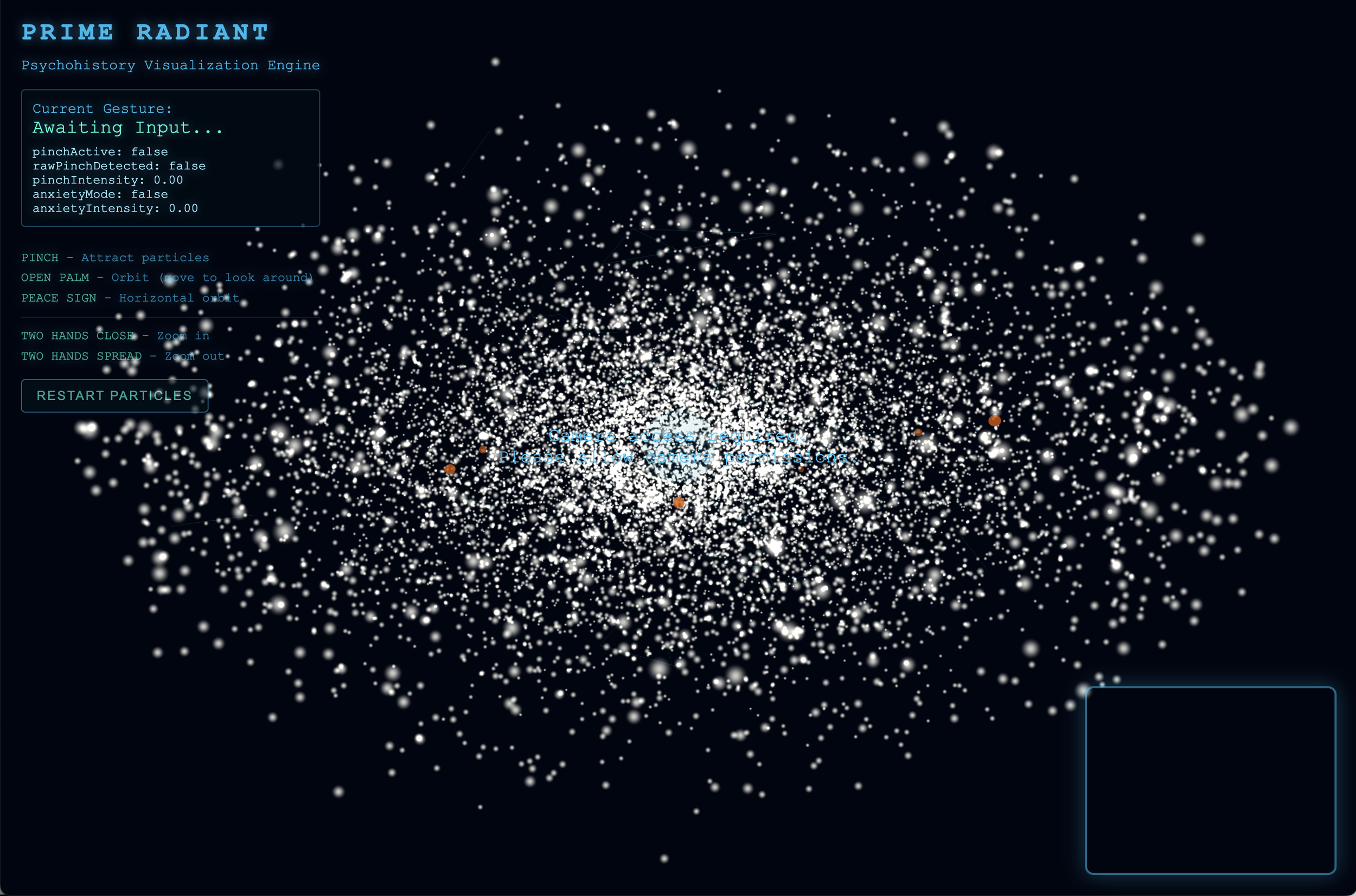
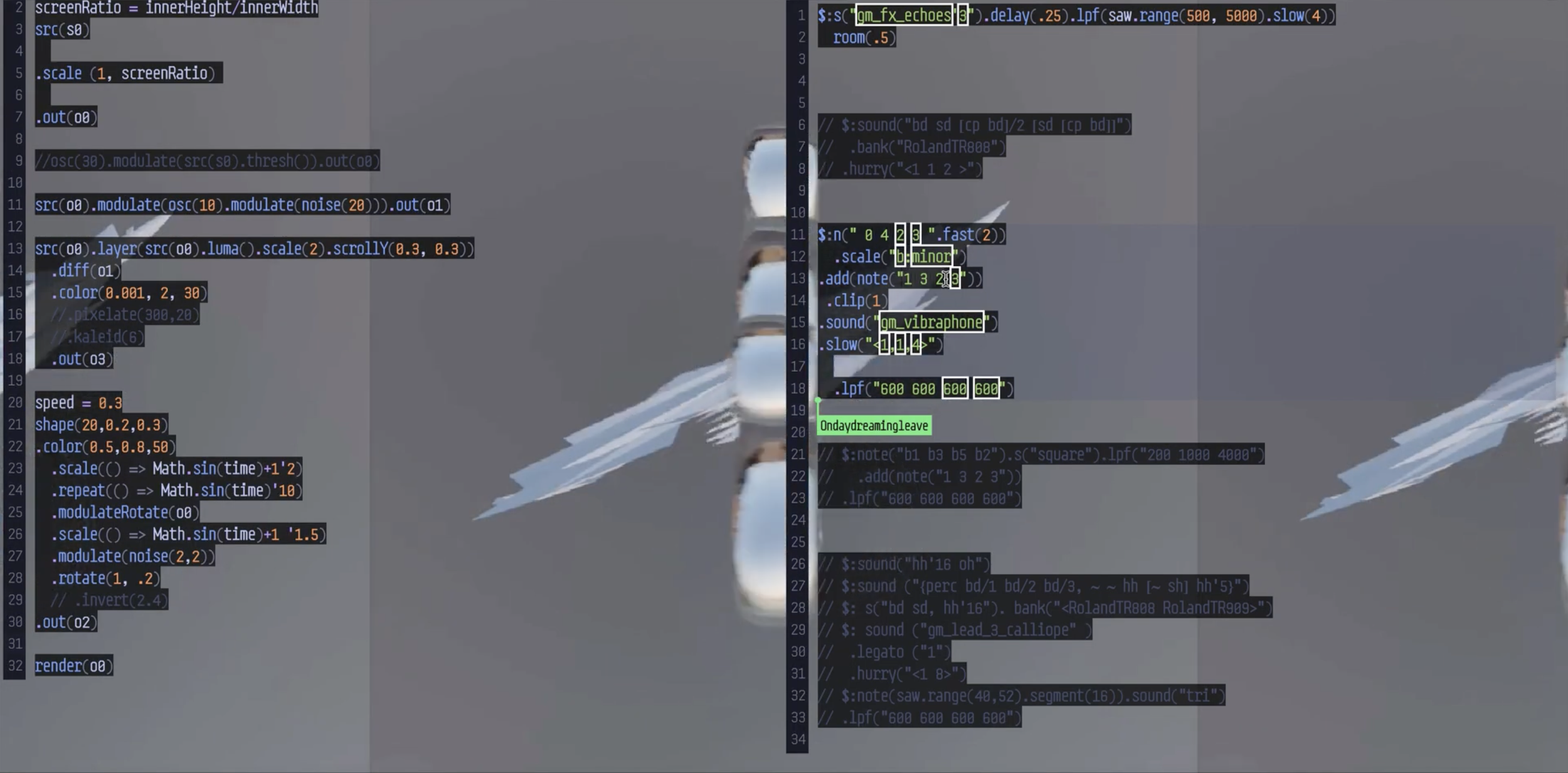
The works of Michael Betancourt, Lidia Sinelnik and Oskar Freye draw attention to the very process by which a statement is produced. Meaning emerges here as one moves through a system and its set of rules. We are, at once, both reader and performer, and in this sense, authorship is distributed across structure, chance, and our own participation. Instead of a finished text (or image), what becomes the object of attention is the set of conditions under which meaning is repeatedly (re)assembled, again and again.
"The ________ Manifesto" frames the manifesto as an interface: blank spaces translate avant-garde declarativity into a mode of open interpretation, where each passage can generate new meanings. The work suggests that contemporary "political awareness" can serve as a framework that expands the field of possibilities while retaining its built-in constraints.
In "PRIME RADIANT", meaning emerges through the body: through the movement of our hands, we affect particles, sound, and colour. The system responds, but at some point, it enters a state of tension, thereby limiting our interaction possibilities. Partial and temporary control itself becomes our limitation. Both works shift attention from the result to the conditions: we act within parameters where "declared" freedom is always bound up with the discovery of the limits of our own influence.

This section presents the screen as a mediator between private and shared experience.
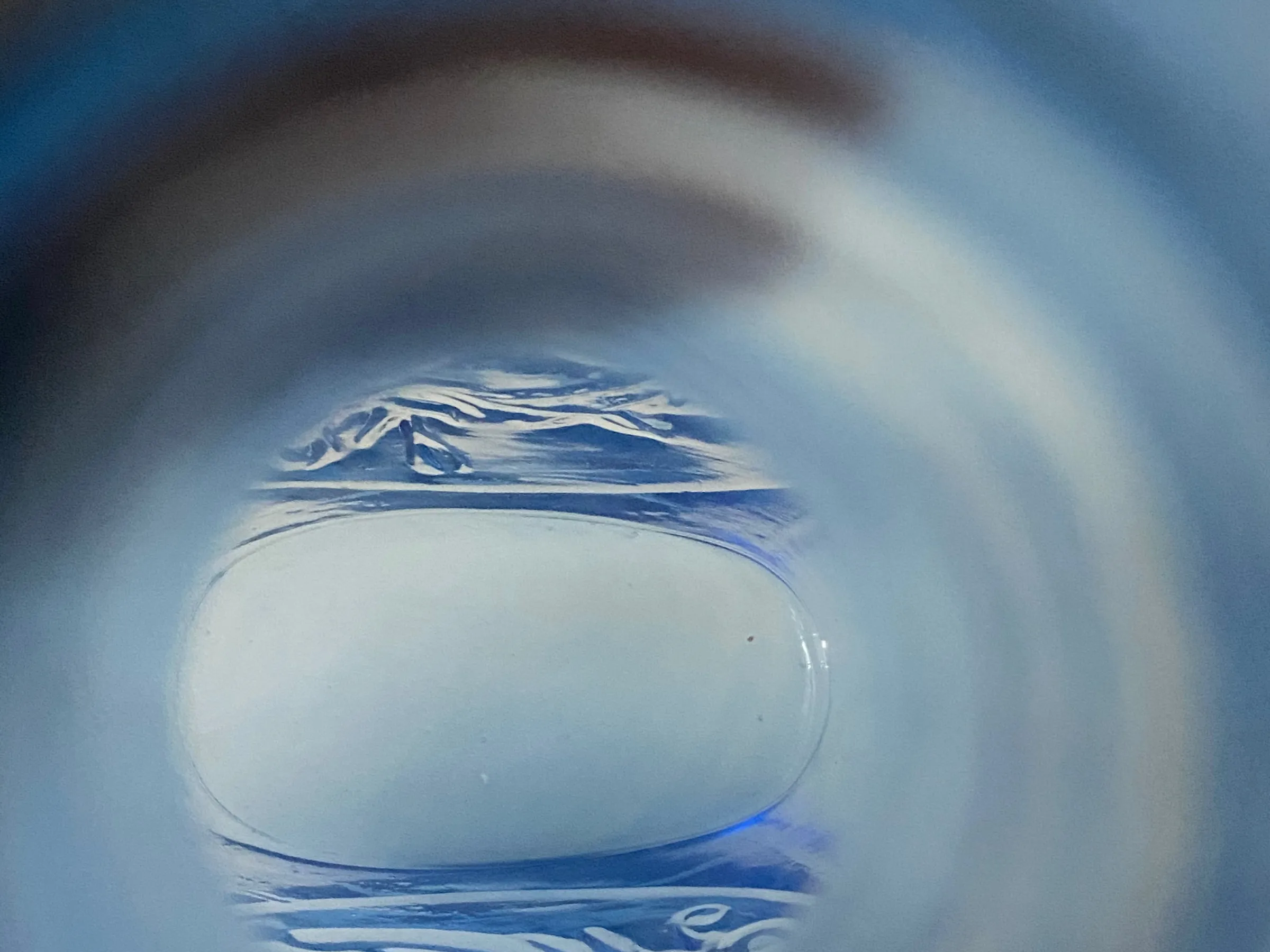
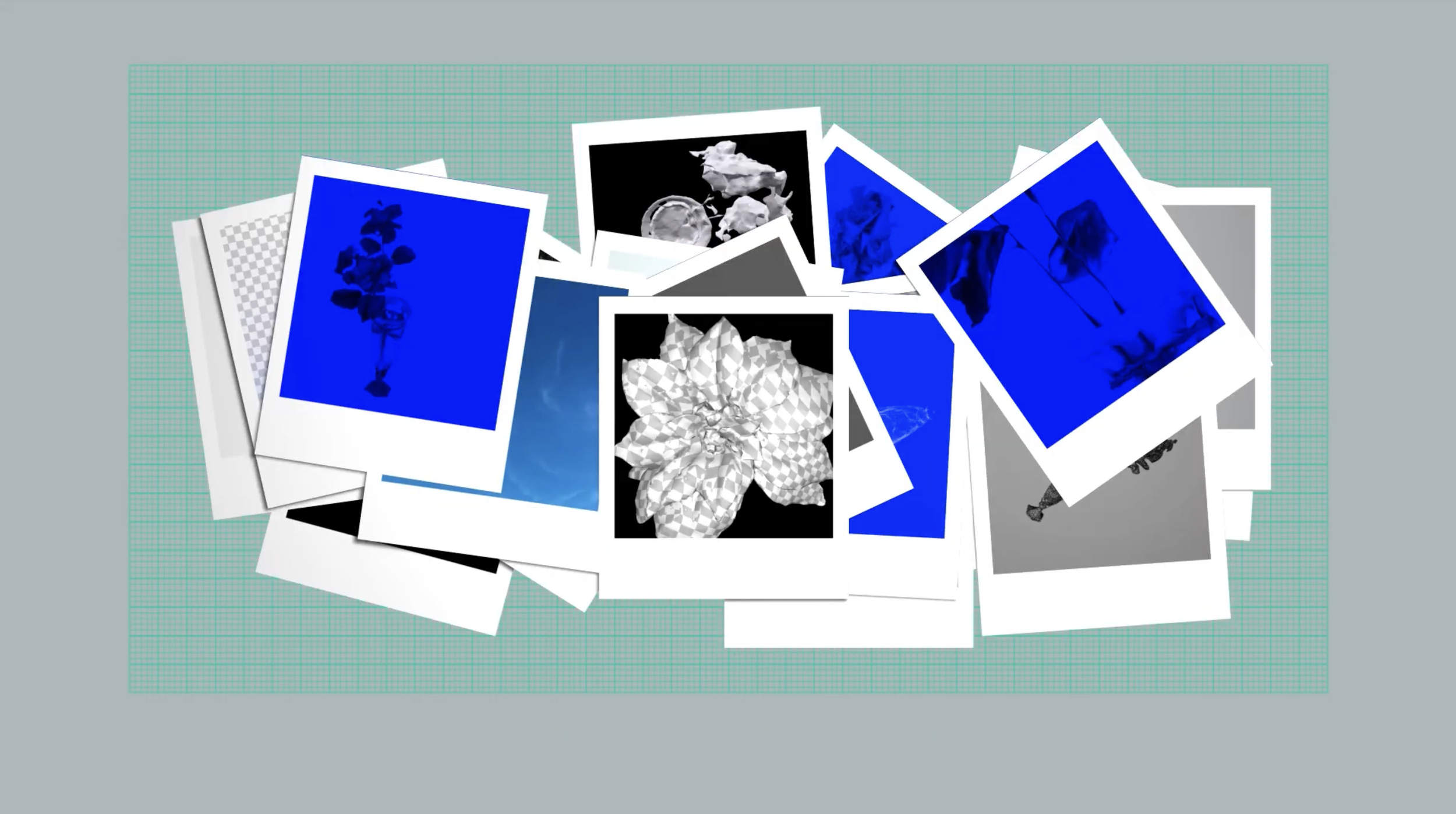
In "Polaroid", a photographic format serves as an immediate point of entry. The transforming vase becomes a focal point for reflection, turning still life into a dynamic subject. Its forms show how identity is constructed through observation. The video's deliberate slowness creates a shared sensory pause, which allows personal associations to appear through a universal image.
"Openings" approaches this intersection through sound. Sound develops subtly, shaped by the interplay of tension, texture, and the listener's expectations. Each listener anticipates differently, projecting imagined continuations onto the material. The experience is solitary and shared, since perception completes what the composition suggests.
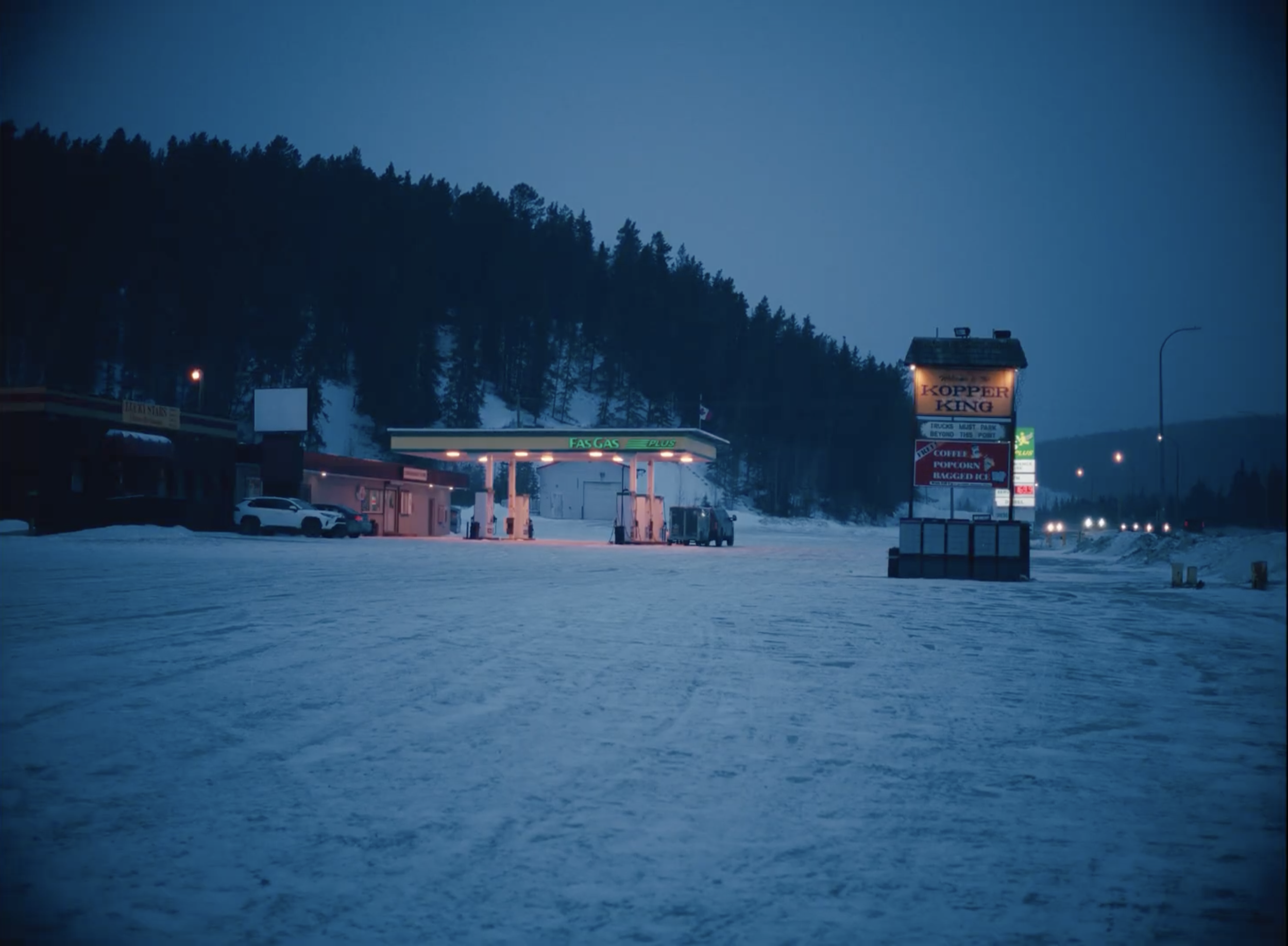
In "Koma", the camera frames a town in a state of transition. The duration of shots and choice of angles express a singular viewpoint that resonate with themes of change, memory, and belonging. The work balances observation and projection, where private framing generates common reflection.
"Bottle Gourd Orchestra" translates personal remembrance into code and live performance. Cultural symbols and family memory are rendered through pixels and sound, proposing digital space as a site of continuation. Through the use of digital media, an intimate story becomes clear and suggests that memory remains something we can see and feel even in abstraction.